


About this program
GLP-1 receptor agonists for obesity are now available as tablets and injections. Each has its own administration requirements, dose steps and side effects. Patients take their questions to their GP and their pharmacist, so this program is built for both, with consistent clinical messages throughout.
Across 3 short videos for GPs, 3 short videos for pharmacists and a live webinar that brings both professions together around one patient, the program follows treatment from the first consult through the first 90 days.
GPs will gain a framework for identifying suitable patients, weighing oral and injectable options with them, and managing side effects. Pharmacists will gain practical guidance on counselling for the supplied formulation, checking interactions and dose changes at dispensing, and managing side effects at the counter.

Description:
Obesity is a chronic, relapsing disease with complex neurohormonal drivers and metabolic cardiovascular and other complications.¹˒² Best-practice management requires individualised assessment, shared decision-making and lifestyle, behavioural and pharmacological interventions.¹˒² Incretin-based therapies (GLP-1 RAs, dual GIP/GLP-1 RAs) are one group of treatment options for obesity; they are not a substitute for broader long-term obesity care.¹˒²
In this webinar, an expert multidisciplinary panel (endocrinologist, GP, consultant pharmacist) discuss the evidence and clinical considerations for oral and injectable incretin-based therapies in obesity management. Through Sam’s patient experiences, the GP and endocrinologist review clinical assessment, shared treatment selection, initiation, titration and medical review; the pharmacist reviews first-supply counselling, correct administration, medication safety and identification of concerns requiring prescriber review. The GP moderator introduces each stage and connects the perspectives of the panel.
Learning outcomes:
-
Evaluate the efficacy, safety and clinical considerations of oral and injectable incretin-based therapies (GLP-1 and dual GIP/GLP-1 RAs) for obesity management
-
Describe individualised treatment selection and safe initiation, prescribed titration, administration and counselling for incretin-based therapies for obesity (concomitant medicines and shared decision-making)
-
Recognise and respond to treatment-related side effects and red flags; describe monitoring, referral and GP-pharmacist coordination for patients on incretin-based therapy for obesity
Steering Committee:

Dr Natalia Rode
General Practitioner & Medical Educator

Dr Shanal Kumar
Endocrinologist

Brooke Shelly
Consultant Pharmacist, GP Practice Pharmacist
Ideal for: General Practitioners & Pharmacists

ID: 43708

ID: 2590/2591
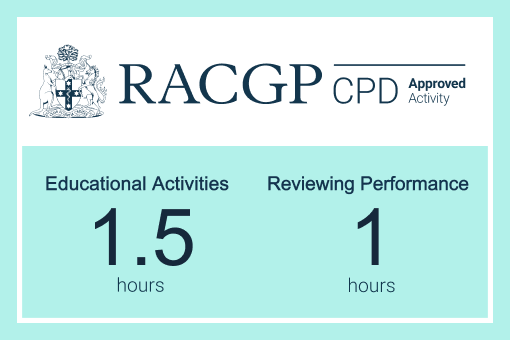
ID: 1735243
CPD Webinar w. Live Q&A
Wednesday 2 December 2026
7:30-9:00pm (ACT, NSW, TAS, VIC)
7:00-8:30pm (SA)
6:30-8:00pm (QLD)
6:00-7:30pm (NT)
4:30-6:00pm (WA)
CPD Shorts for GPs
Short, case-based, accredited CPD activities on incretin-based therapies for obesity, presented by Dr Shanal Kumar. Each comprises a short video and Reviewing Performance questionnaire.
Follow Sam, a patient with obesity, hypertension and prediabetes, as you assess whether incretin-based therapy suits him, start and titrate oral semaglutide, and manage the side effects that come up along the way.
Do them in order to follow the case, or pick the topic you need.


xx mins
How to manage incretin-based therapy side effects and distinguish symptoms requiring treatment modification or urgent assessment.

yy mins
How to initiate and titrate oral semaglutide while supporting tolerability, treatment expectations and follow-up.

zz mins
Which patients may benefit from incretin-based therapy, and how should you approach treatment selection?
CPD Shorts for Pharmacists
A three-part series of CPD shorts for pharmacists, presented by consultant pharmacist Brooke Shelly. Learn how oral GLP-1s for obesity are taken, how the dose steps up and how to manage side effects at the counter. Get the counselling right from first supply, and know when a patient needs to go back to their GP.


xx mins
Community pharmacists can identify and manage treatment-related side effects in patients receiving GLP-1 RA therapy. Learn to assess gastrointestinal symptoms, provide self-care advice, recognise red flags needing medical assessment and determine when to refer patients to their GP or emergency care.

xx mins
Dose escalation with oral semaglutide involves changes in tablet strength that can increase the risk of medication errors. This activity examines dose verification, missed-dose counselling, potential errors when switching between oral and injectable formulations, and treatment-related concerns requiring GP consultation.

xx mins
Oral semaglutide has administration requirements that distinguish it from injectable GLP-1 RA formulations. Learn to counsel patients on correct administration, identify potential interactions or dosing conflicts with concomitant medicines, and address practical barriers to maintaining the required morning routine.
Continuing Professional Development (CPD) Details
This CPD program for general practitioners and pharmacists consists of several separate but complementary activities that may be completed in any order. However, regarding the webinar, please complete the associated Reviewing Performance component before attending the webinar or watching the on-demand recording.
See individual activities for accreditation details.

Automatic hours lodgement
RACGP and AMA CPDHome members can now enjoy the convenience of rapid, automatic EA hours lodgement for relevant accredited education. See your completed hours lodged within 24 hours.*
* Requires correct membership details.
Update yours now >
Please note that any additional reading or learning connected to this activity can be self recorded with your CPD body.

Praxhub is an accredited Major Provider under the RACGP CPD Program.

Praxhub is a Certified Learning Provider under the AMA's CPDHome CPD Program.


This educational activity has been developed independently by Praxhub and the Steering Committee. Novo Nordisk Pharmaceuticals Pty Ltd has funded this activity but has had no input into the educational content.
References:
-
Celletti F, Farrar J, De Regil L. World Health Organization Guideline on the Use and Indications of Glucagon-Like Peptide-1 Therapies for the Treatment of Obesity in Adults. JAMA. 2026;335(5):434–438. doi:10.1001/jama.2025.24288
-
Pedersen SD, Manjoo P, Dash S, Jain A, Pearce N, Poddar M. Pharmacotherapy for obesity management in adults: 2025 clinical practice guideline update. CMAJ. 2025 Aug 10;197(27):E797-E809. doi: 10.1503/cmaj.250502. PMID: 40789597; PMCID: PMC12350384.